Business Advisory
From founder-led reporting to investor-grade reporting
As businesses grow, reporting requirements evolve beyond tracking revenue and expenses. Investors, boards and stakeholders increasingly expect timely, reliable and decision-useful information that provides a clear view of performance, risks and future opportunities.
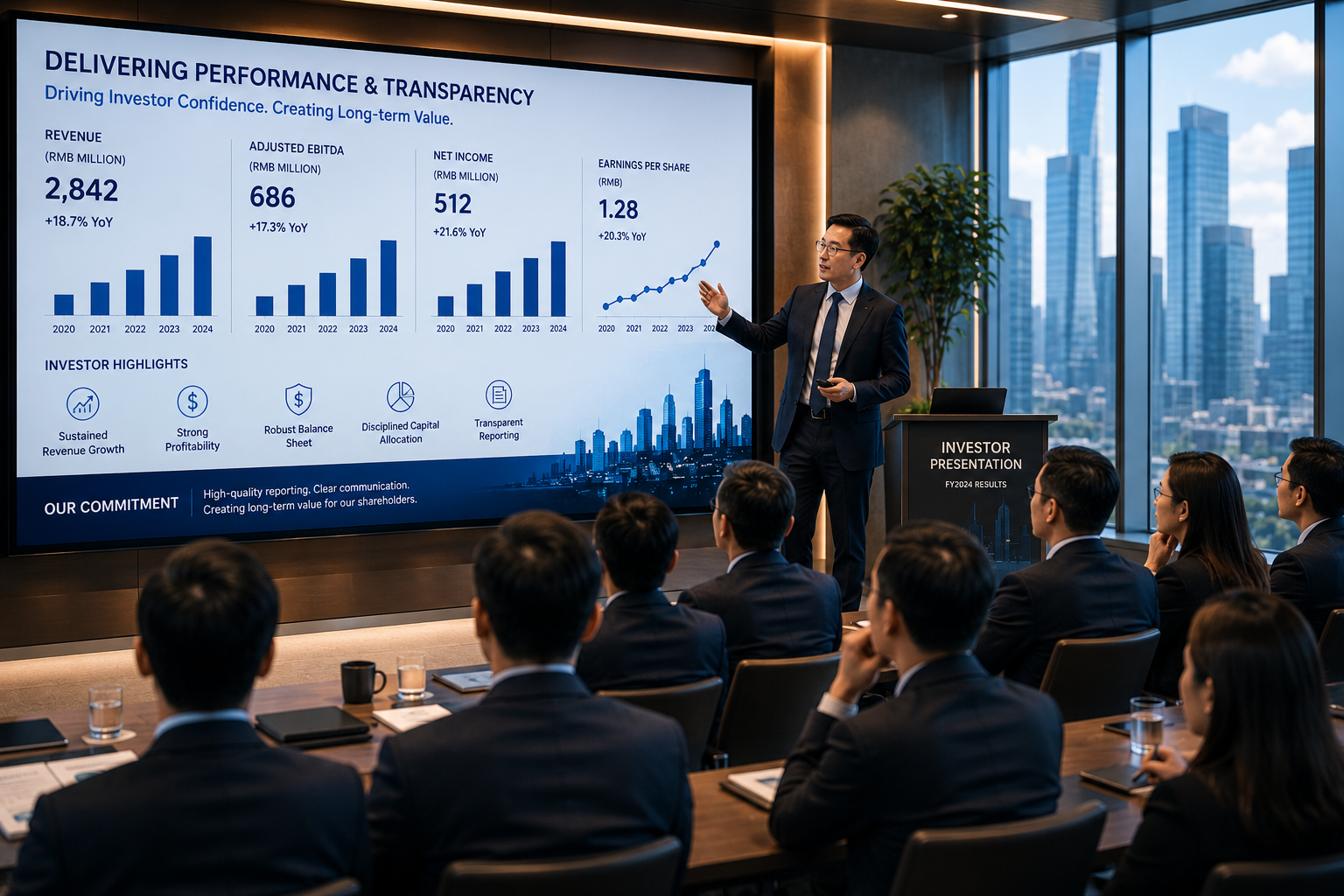
Many successful businesses begin with reporting processes designed to support founders and management teams making day-to-day operational decisions. In the early stages of growth, financial information is often produced quickly, informally and with a focus on immediate business needs.
As organisations expand, attract external investment or prepare for public markets, expectations around reporting change significantly. Boards, investors, lenders and other stakeholders increasingly rely on financial and operational information to assess performance, evaluate risks and make strategic decisions.
The transition from founder-led reporting to investor-grade reporting is not simply about producing more reports. It is about providing information that is accurate, consistent, transparent and relevant to decision-making.
When reporting needs to evolve
A common challenge for growing businesses is that reporting processes do not evolve at the same pace as the organisation itself.
Management teams may continue relying on spreadsheets, manual reporting processes or metrics that no longer reflect the complexity of the business. Reporting cycles become longer, information becomes less reliable and management spends increasing amounts of time gathering data rather than analysing it.
As external stakeholders become involved, expectations rise. Investors want visibility into performance drivers, boards require meaningful insights into risks and opportunities, and lenders seek confidence in the quality of financial information.
At this stage, businesses often discover that reporting frameworks designed for operational management are no longer sufficient to support strategic decision-making.
What investor-grade reporting looks like
Investor-grade reporting is built on consistency, reliability and transparency. It enables management and stakeholders to understand not only what has happened, but why it happened and what it means for the future.
Effective reporting typically includes clear performance indicators, meaningful trend analysis, robust forecasting and appropriate commentary on risks and opportunities. Financial information should be supported by strong processes, documented assumptions and reliable underlying data.
Importantly, investor-grade reporting creates confidence. It allows boards, investors and management teams to make decisions based on information they trust.
For companies preparing for fundraising, acquisitions, capital market transactions or public listings, developing these reporting capabilities early can significantly improve readiness and reduce future challenges.
- Establish clear and consistent performance metrics.
- Strengthen financial reporting processes and controls.
- Improve forecasting and budgeting capabilities.
- Reduce reliance on manual reporting processes.
- Provide meaningful insights rather than simply presenting data.
Strong reporting is more than a compliance requirement — it is a strategic asset. As businesses grow, the quality of information available to management, boards and investors becomes increasingly important. Organisations that invest early in investor-grade reporting capabilities are often better positioned to support growth, attract capital and navigate periods of change with confidence.